
Can Your Dock Handle a Storm Surge? Here’s What to Know about Polypropylene Decking
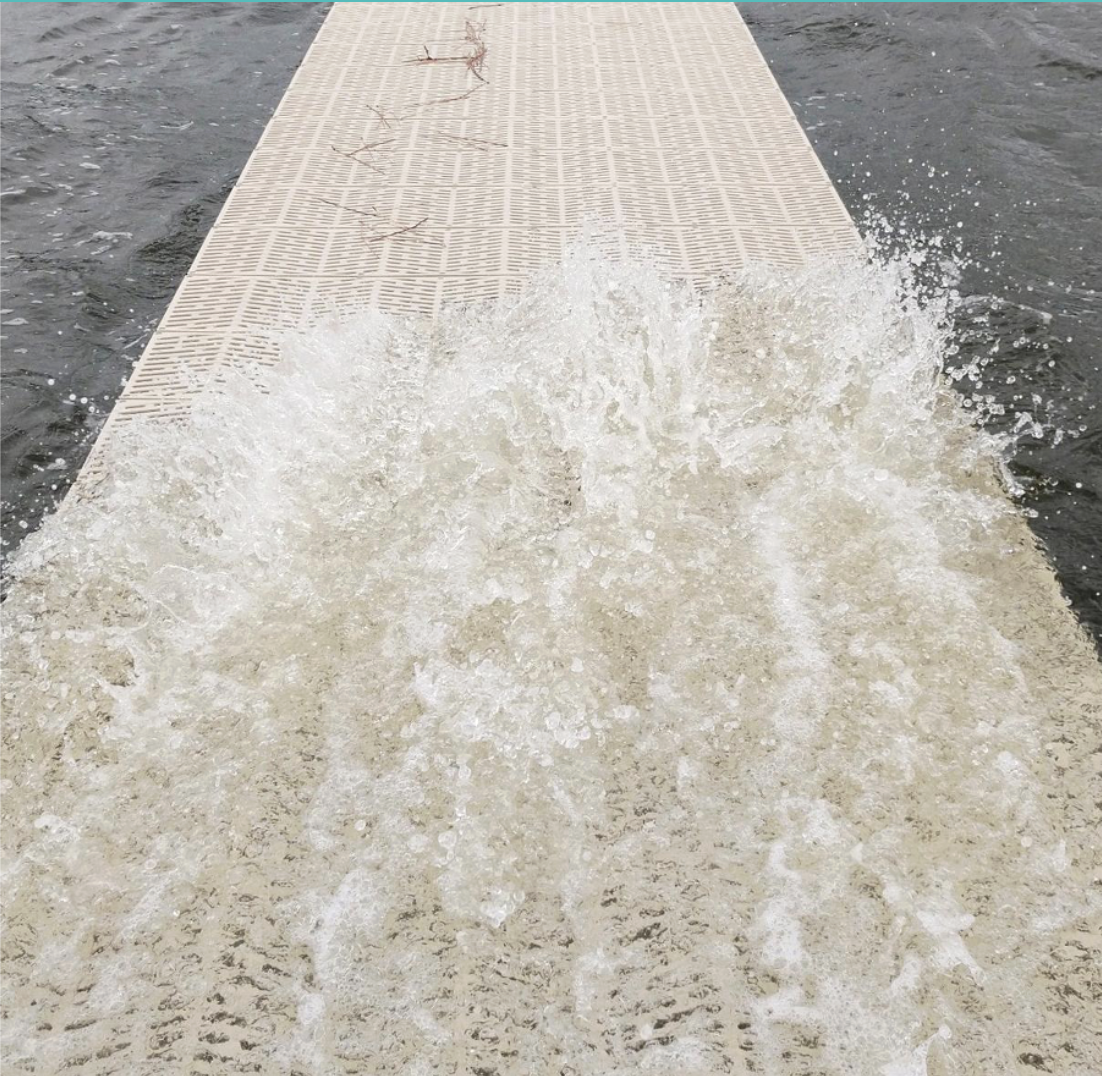
Storm surges are no joke. Whether you are on a lake, near the ocean, or somewhere that sees heavy seasonal storms, rising water levels can do a number on outdoor structures. Docks, walkways, platforms, and decks are often the first to take a hit.
If you are planning a new build or looking to upgrade, it is worth thinking about how different decking materials hold up under those conditions. Traditional wood may look nice, but when the water starts rising, it is not always the most reliable choice. Polypropylene decking has become a popular alternative, and for good reason.
What Happens During a Storm Surge?
A storm surge is when strong winds from a storm push water inland. Water levels rise higher than usual, and waves become more powerful. This can flood coastlines, lakefronts, or riverside areas and put a lot of pressure on any structure in its path.
Decking materials need to stand up to:
- Water saturation
- Shifting foundations
- High winds
- Sudden temperature changes
- Salt or fresh water exposure
Over time, these conditions can cause traditional materials like wood to warp, rot, loosen, or even break apart.
Polypropylene Decking vs. the Surge
Polypropylene is a polymer that can handle tough environments especially in its virgin form. It does not absorb water, so it will not swell or soften. It is also resistant to rot, mold, and insect damage. Even in repeated wet and dry cycles, it keeps its shape.
Because it does not break down the way wood does, it also tends to stay safer over time as long as there aren’t any fillers. No splinters, no soft spots, and fewer repairs after a stormy season.
Grip and Safety Matter Too
When decks get wet, they can turn slippery fast. That is especially true for older wood that has started to smooth out or grow moss. Many polypropylene decking options come with a textured surface that improves grip, even when wet.
That makes a big difference for families, pets, or anyone walking around barefoot after a summer swim or afternoon rain.
Less Maintenance, More Enjoyment
After a storm, a wooden deck might need new sealant, sanding, or even partial replacement. That adds time, cost, and stress.
Polypropylene is built to be low maintenance. A quick hose-down or light cleaning is usually all it takes to get it back in shape. No need for sanding, staining, or sealing every season.
Built to Handle Sun and Salt
In addition to standing up to water, unfilled polypropylene performs well under UV exposure. It does not fade or crack from the sun. It also holds up better than wood when exposed to saltwater, which can be especially important near coasts or marinas.
A Smarter Option for Storm-Prone Areas
If you live in an area that gets hit with storms or flooding, choosing the right decking can make a big difference. Wood may be familiar, but it is not always built to handle what nature throws its way.
Polypropylene gives you a strong, stable, and safer option that keeps things simple. Less repair. Less worry. More time enjoying your space.
Curious About What Might Work for Your Property?
There are lots of polypropylene decking options out there, each with different styles, colors, and features. If you are planning a new build or looking to upgrade your current setup, it is worth exploring how this type of material could fit your needs.
Have questions or want to learn more? Reach out to a local supplier or decking expert to compare materials and get advice based on your specific location.
Ready to start your project?
Connect with a dealer or get in touch with our team today.