
Wood vs. Polypropylene Decking: What to Know Before Building
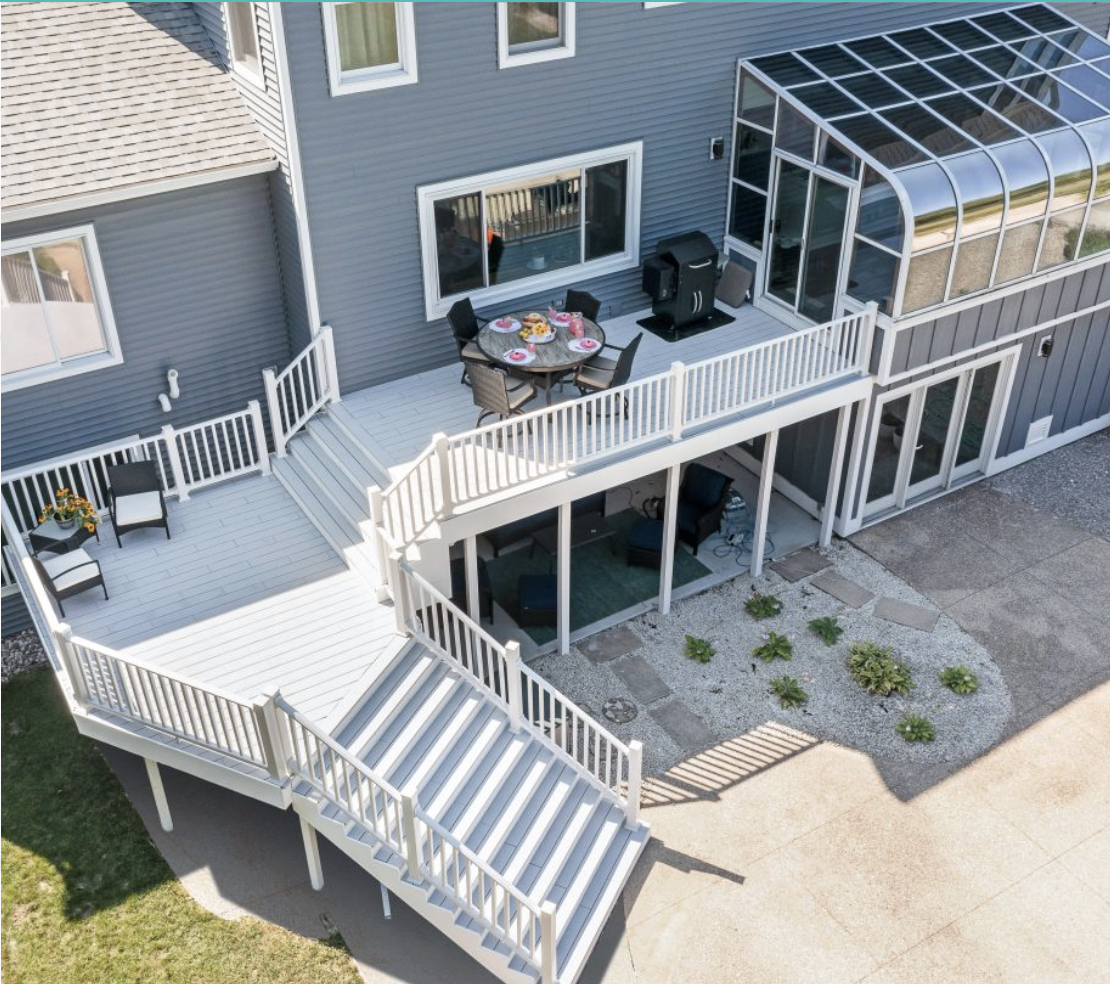
Planning a new dock or deck? One of the first decisions is whether to go with traditional wood or try a polymer material like polypropylene. Both have their pros and cons, but depending on your goals, the choice can make a big difference in how much time you spend enjoying your deck versus maintaining it.
Here is a breakdown to help make that choice a little easier.
Maintenance: Wood Keeps You Busy, Polypropylene Keeps It Simple
Wood has that classic look, but it comes with upkeep. Most wood decks need to be sealed or stained regularly to protect against weather and water. Without it, they can crack, warp, or grow mold. If the deck is near water, all that happens even faster.
Polypropylene decking, on the other hand, is designed to be low maintenance. There is no sanding, sealing, or staining involved. A quick rinse or occasional scrub is usually enough to keep things looking good. For anyone who would rather spend weekends relaxing instead of repairing, it might be the better option.
Durability: Weather and Water Matter
Wood is strong, but it does not always hold up well over time. It absorbs water, which can lead to rot or soft spots. Sun exposure can dry it out and cause cracking. Even treated wood needs attention to avoid damage from the elements.
Polypropylene is not affected by moisture, so it will not rot or grow mold. Unfilled polypropylene also holds up better in the sun without fading or cracking. In areas with heavy rain, coastal air, or strong sunlight, that durability can be a big plus.
Safety: Comfortable and Slip Resistant
Wooden decks can get slippery when wet, and splinters are no fun—especially for bare feet. Over time, boards can shift or nails can pop up, which might create tripping hazards.
Decking made from polypropylene often has a textured surface that helps with traction, even when wet. It is also smooth and splinter-free, which makes it more comfortable and safer for kids, pets, and anyone walking around barefoot.
Environmental Impact: Looking at the Bigger Picture
Many types of wood used for decking come from forests that are managed for lumber, but they still require resources to grow, harvest, and treat. Pressure-treated wood is also treated with chemicals that can be harmful to the surrounding environment over time.
Some polypropylene decking is made from recyclable or recycled materials and does not require any chemical treatment to last. For those trying to make more sustainable choices, that can be an important factor.
Cost: Upfront vs Long-Term
Wood can be less expensive at the start, which is why many people choose it. But once you add up the cost of sealants, cleaning products, repairs, and eventual board replacements, it is not always the cheaper option in the long run.
Polypropylene decking might cost more up front, but it tends to pay off over time. Fewer repairs and almost no upkeep mean it often ends up saving money in the long run—especially in environments that are tough on wood.
Final Thoughts
There is no one-size-fits-all answer when it comes to decking. Some people love the classic feel of real wood and do not mind the extra maintenance. Others prefer something more durable and low-maintenance that will last for years with minimal effort.
For those building near water, or looking for a deck that can handle sun, storms, and everything in between, polypropylene decking is worth a closer look. It is tough, safe, and built to last—making it a solid choice for anyone who wants to enjoy their outdoor space without worrying about repairs or wear and tear.
Ready to start your project?
Connect with a dealer or get in touch with our team today.